
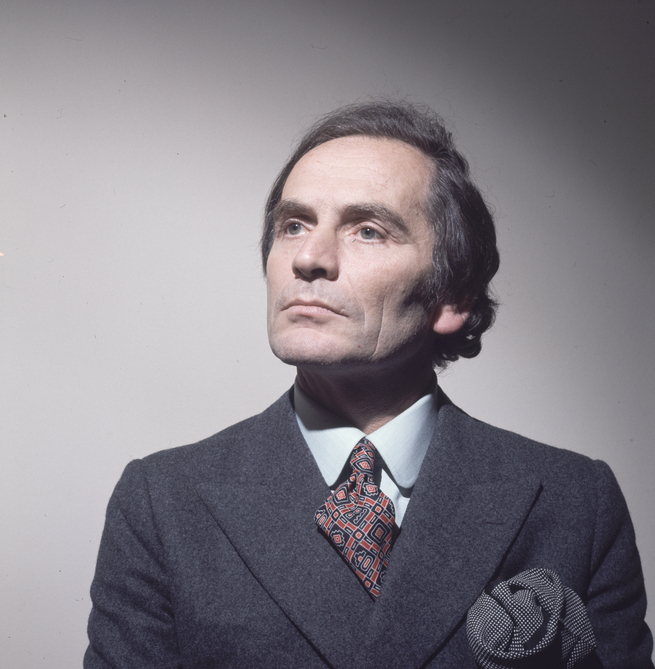
Pierre Cardin, the man who democratized fashion and ready-to-wear clothing. From his very first collections, he stood out for: geometric shapes an architectural approach to clothing a gradual rejection of traditional conventions Youth and early career Pierre Cardin was born in Italy in 1922 under the name Pietro Costante Cardin, then grew up in France. Passionate about clothing from an early age, he became an apprentice tailor as a teenager, then entered the world of haute couture after World War II. He worked for prestigious fashion houses such as Paquin and joined Christian Dior’s team, which influenced his avant-garde approach from the very beginning of his career. Creation of his fashion house (1950). In 1950, he founded his own fashion house in Paris. He presented his first haute couture collection for women in 1953 and quickly made a name for himself with innovative shapes and a futuristic aesthetic. One of his first famous designs was the “Bubble Dress” in 1954, which symbolized his sculptural approach to clothing. Pioneer of ready-to-wear fashion In the 1950s and 1960s, he was one of the first designers to democratize fashion by offering ready-to-wear clothing on a large scale, thus breaking with the traditional haute couture model. He launched his first women’s ready-to-wear line in 1959, followed by a men’s collection in 1960. Space Age aesthetics and innovation He became one of the leading names in futuristic fashion in the 1960s. Inspired by space exploration and geometric shapes, he created radical silhouettes, innovative fabrics (plastic, vinyl), and clothes that looked like they had come straight out of a science fiction movie. This aesthetic, known as “Space Age,” had a lasting influence on post-war popular culture and fashion. Global expansion and licensing Cardin also revolutionized the industry by licensing his brand in numerous areas (clothing, accessories, perfumes, design objects, etc.). This massive licensing strategy made his name a global brand, a common business model in the fashion industry today. Legacy and recognition His career, spanning more than 70 years, had a considerable influence. He became a major figure in 20th-century fashion and left a lasting legacy, both artistically and commercially. He died in 2020 at the age of 98, leaving behind a unique aesthetic and a vision of design as a universal language. Find out more on the Pierre Cardin website : https://pierrecardin.me/about src: pierrecardin.me src: pierrecardin.me
Wearing Gucci is much more than just a matter of fashion
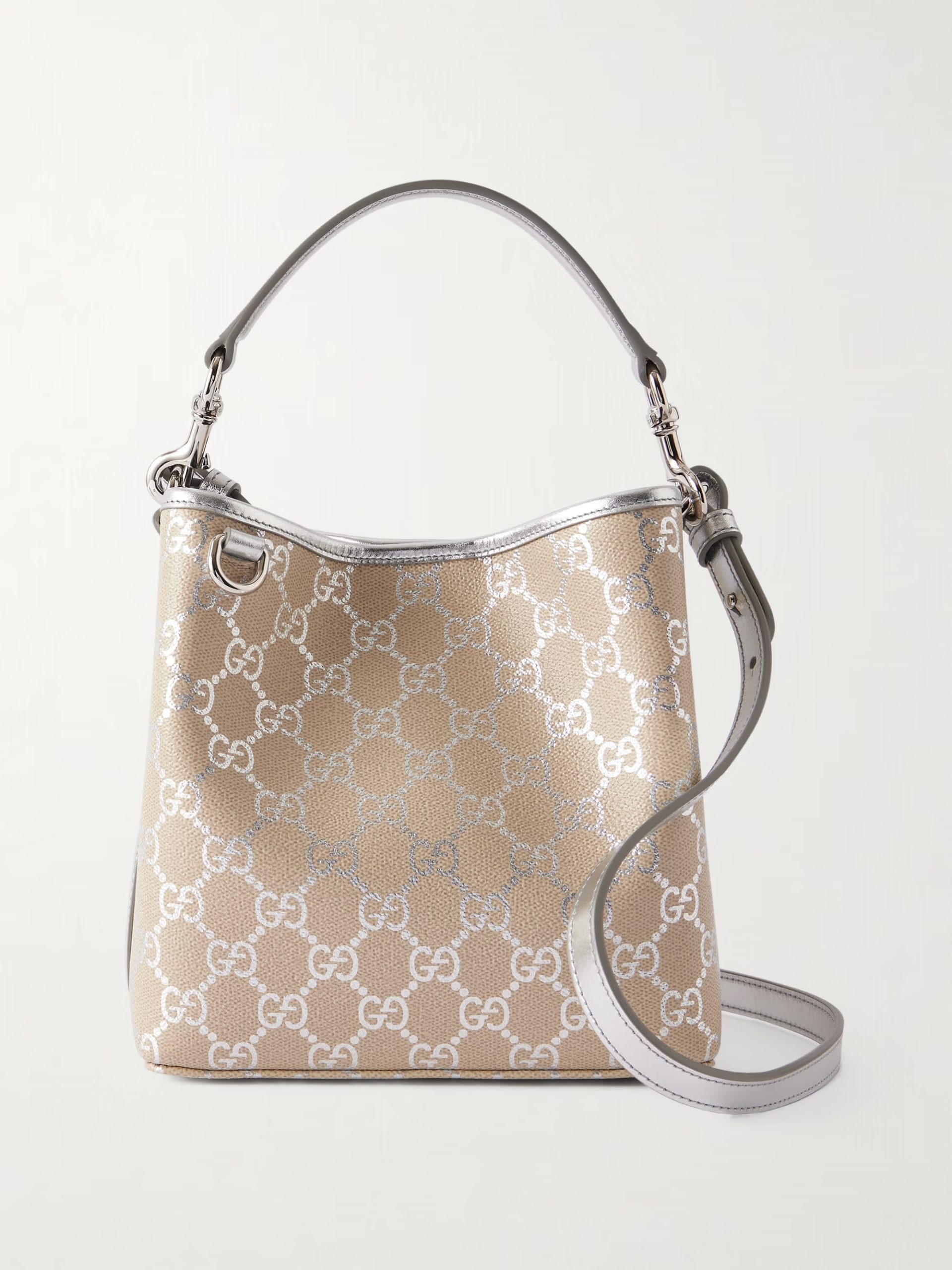
Wearing Gucci is much more than just a matter of fashion Who hasn’t heard the word “Gucci” floating through the air at a chic party? Anyone who wears the brand’s shoes will tell you that they walk with ease. The fashionable young woman carrying a Gucci bag will convince you without hesitation to become a fan of the brand. Today, everyone knows this legendary name. However, it’s always useful to take a quick look back at the incredible journey of the creator of this wonderful brand. Take a few minutes to read the brief history of this brand, which remains a pillar of Italian luxury. The history of Gucci is a true epic, combining Tuscan craftsmanship, Hollywood glamour, and creative revolutions. Here is a detailed timeline, illustrated with key moments in the history of this Italian icon. The Origins: The Elegance of Travel (1921–1940) It all began in 1921, when Guccio Gucci opened his first leather goods store in Florence. Inspired by his experience as a bellboy at the Savoy Hotel in London, where he admired the luggage of the elite, he decided to create his own suitcases, combining the expertise of Italian artisans with English aesthetics. The equestrian world quickly became his signature, giving rise to iconic codes such as the horse bit. Innovation in the face of scarcity (1940–1960) During World War II, faced with a shortage of leather, the brand demonstrated incredible creative resilience. In 1947, Gucci launched the Bamboo bag, using heated bamboo for the handles. This was also the era when the green-red-green Web stripe, inspired by saddle straps, was created. In 1953, the year of Guccio’s death, his sons opened the first boutique in New York, marking the beginning of global expansion. The Golden Age and Icons (1960–1980) Gucci became the symbol of luxury for celebrities. This period saw the birth of the “Jackie” bag, named in honor of Jackie Kennedy, and the Flora scarf, created especially for Grace Kelly in 1966. The Double G logo (for Guccio Gucci) was introduced in the 1960s, becoming the brand’s unmistakable emblem. Tom Ford’s “Porno Chic” Renaissance (1994–2004) After a difficult period of family conflicts, Gucci was bought by Investcorp. In 1994, the young Tom Ford was appointed creative director. He saved the brand from bankruptcy by injecting a massive dose of provocative glamour and sensuality, transforming Gucci into one of the most profitable brands in the world. The Alessandro Michele Era: Maximalist Baroque (2015–2022) In 2015, Alessandro Michele took the reins and made a radical shift towards a “geek-chic” and androgynous aesthetic. He mixed eras, prints, and genres, redefining luxury for a new generation of consumers seeking self-expression. The New Chapter: Sabato De Sarno (2023 – Present) Since 2023, under the direction of Sabato De Sarno, Gucci has returned to a more refined and minimalist elegance with the “Gucci Ancora” collection. To celebrate its heritage, the house announced that the Cruise 2026 show would be held in Florence, where it all began more than a century ago. Gucci workshop, Lungarno Guicciardini 11, Florence, 1940s | Gucci Archive (src: gucci.com) bitter-cherryy:Firenze 1921, Guccio Gucci opens the first Gucci. (src: crybaby.com)